

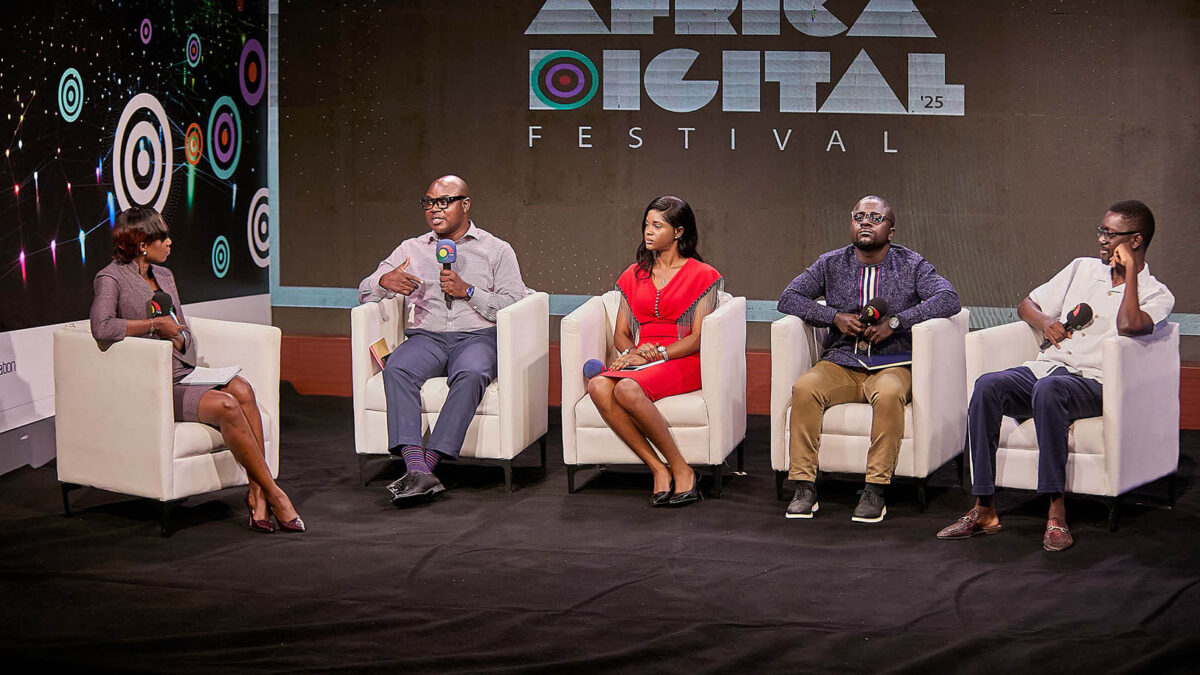

Accra, Ghana, hosted the opening session of the Africa Digital Festival 2025, focusing on a critical theme: combating misinformation in the digital age.
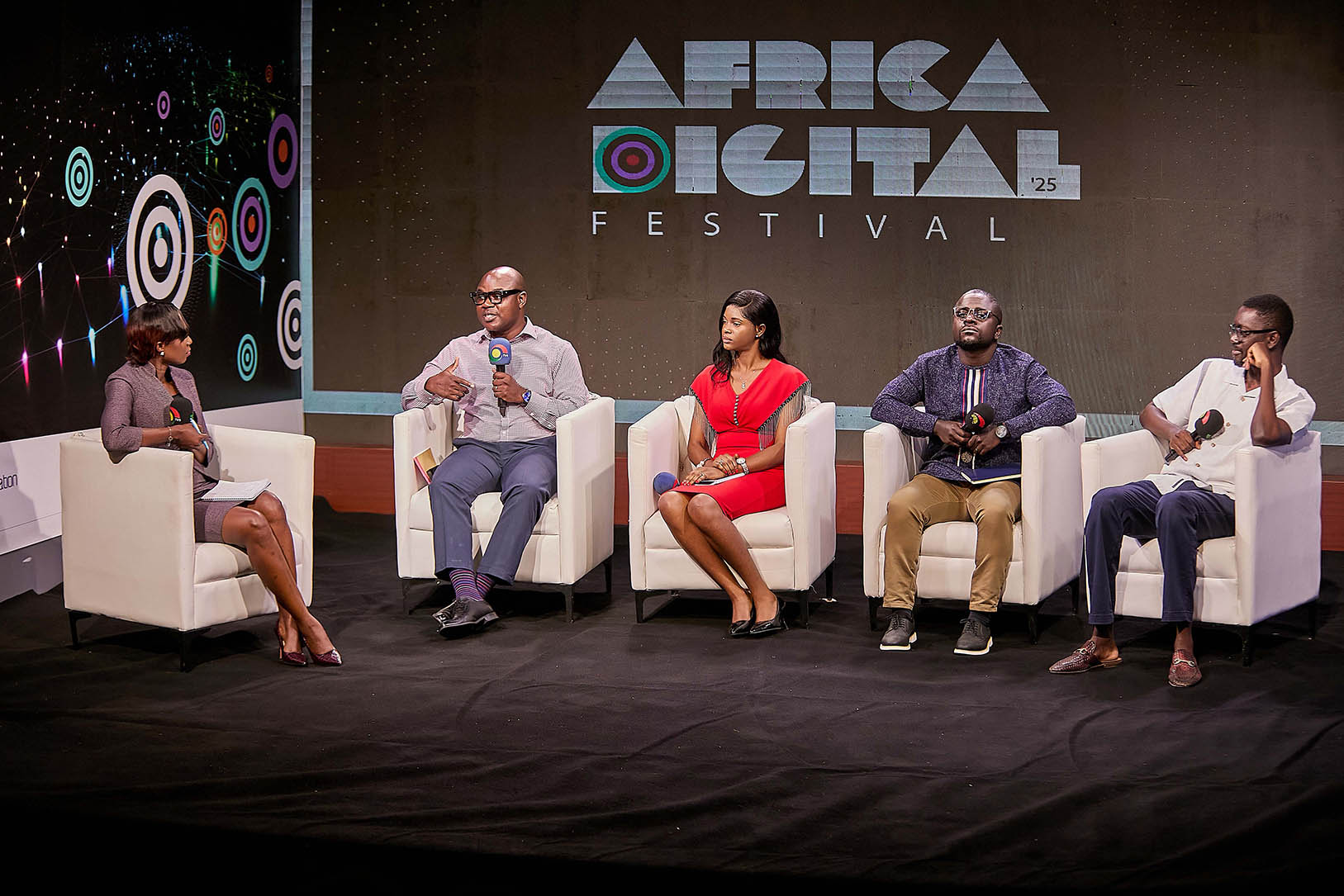
The discussion, held at the TV3 Executive Theatre, brought together journalists, digital experts, and media practitioners to address how false information continues to spread faster than verified facts.
Truth under threat in digital spaces
Media General Group CEO Beatrice Agyemang opened the event, warning that misinformation is one of the greatest dangers facing the modern media industry.
“At Media General, we’ve seen how one false tweet or doctored video can destroy reputations built over decades,” she said. “The digital age demands digital solutions.”
She noted that Ghana now has more than 24 million internet users, with social media penetration exceeding 8 million. In such an environment, misinformation has serious implications, influencing public opinion, election outcomes, and even national stability.
Proposed bill raises concerns
Agyemang’s remarks came as Ghana’s Ministry of Communications considers a new bill to address online misinformation.
While some see the proposal as timely, others have voiced caution. Kwaku Krobea Asante, Manager of The Fourth Estate and Fact-Check Ghana, said the bill must not be used to silence critics.
“I hope the bill won’t be used to curtail free speech,” he said. “The goal should be to protect truth, not control it.”
His comments drew agreement from participants, who stressed that Ghana’s effort to curb misinformation must also safeguard democratic freedoms.
When falsehoods outrun corrections
A panel discussion followed, featuring blogger Ameyaw Debrah, GhanaWeb digital editor Ernestina Asante, Kwaku Krobea Asante, Manager of The Fourth Estate and Fact-Check Ghana, and Penplusbytes Executive Director Jerry Sam.
Debrah distinguished between misinformation, which is often unintentional, and disinformation, which is deliberate. Both, he said, can have damaging effects.
“Sometimes journalists are in a hurry to post what’s trending on social media,” he said. “That rush can turn a single error into a national story.”
Asante added that corrections rarely travel as fast as the original falsehood. “Even when we fix our posts, most readers never see the update. They remember the first version,” she said.
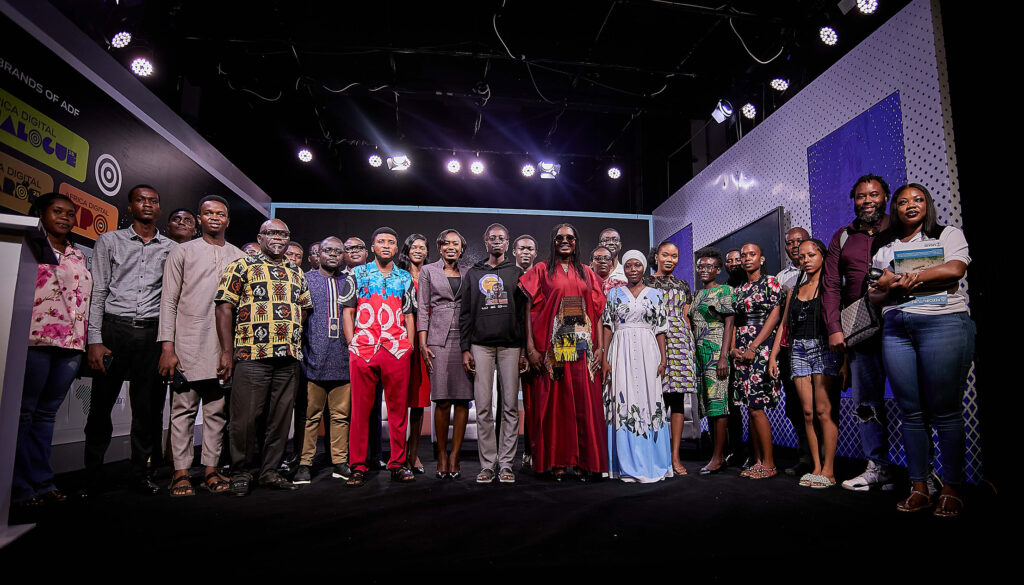
Building awareness and responsibility
Jerry Sam urged collaboration between traditional and digital media platforms, arguing that digital literacy is as vital as regulation.
“When citizens can tell what’s true and what’s false, misinformation loses its power,” he said.
His call reinforced Agyemang’s earlier message about the need for “digital solutions to digital problems.” Participants agreed that combating misinformation requires joint effort among media houses, technology platforms, and the public.
Preparing for Africa’s digital future
The event marks the start of a four-part series leading to the main Africa Digital Festival 2025 in December.
Under the theme “Digital Ghana 2030,” the festival will highlight Africa’s digital growth and the challenges shaping its future. Organised by MG Digital and the Africa Digital Foundation, led by Foster Kofi Sam, the December event will gather policymakers, creators, and innovators from across the continent.
It will include the Africa Digital Awards, the Africa Digital Expo, and masterclasses on FinTech, AI, AgriTech, and e-Health.
A call for truth
As the dialogue closed, Agyemang left the audience with a reminder: “In an age where anyone can be a publisher, everyone must be a guardian of truth.”
The message summed up the day’s discussions. Africa’s digital transformation has created new opportunities for growth and expression, but it has also made truth a shared responsibility.


Stay connected