

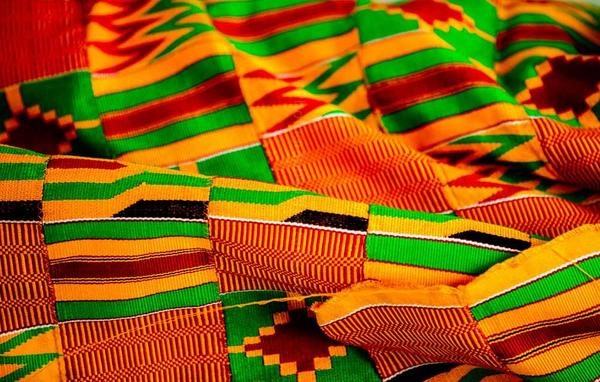

ACCRA, Ghana (Oct. 18, 2025) — Ghana has formally registered Kente cloth as a Geographical Indication (GI), giving the iconic handwoven textile legal recognition and protection under international intellectual property law.
The designation, achieved with support from the World Intellectual Property Organisation (WIPO), makes Kente the first Ghanaian product to receive GI status. It means only recognised weaving communities such as Bonwire, Adanwomase, Kpetoe, and Agbozume can produce authentic Kente, safeguarding the craft from imitation and cultural misappropriation.
Kente, long associated with the Ashanti and Ewe peoples, is woven by hand on narrow looms, with each strip carrying symbolic meaning through its colours and patterns. Gold represents royalty, green stands for growth, blue for harmony, and red for the blood of ancestors. The fabric’s intricate designs often communicate values, proverbs, and social identity, with specific patterns reserved for ceremonies such as weddings or royal events.
The GI registration gives Ghanaian weavers exclusive rights to the name “Kente” and distinguishes genuine cloths from factory-printed versions sold globally as “African print.” It allows buyers to verify authenticity through traceable systems and ensures profits flow back to local artisans.
“This recognition preserves our heritage and strengthens the value chain for weavers,” said a spokesperson for the Ghana Standards Authority. “It guarantees that when people buy Kente, they’re supporting the communities that created it.”
For many Ghanaians, the announcement carries deep cultural significance. Beyond protecting intellectual property, it affirms ownership of a symbol that has been widely commercialised abroad without acknowledgment or benefit to its originators.
In recent years, Kente patterns have appeared on international runways, corporate campaigns, and costume designs, often stripped of meaning. Critics say such uncredited use turns cultural heritage into generic “African print,” erasing local identity and the stories woven into every strand.
The new protection challenges that trend. It sets clear boundaries for how Kente can be used and sold. For designers, event planners, and brands seeking to incorporate the fabric, it signals the need to source authentic material and credit its origin.
Intellectual property experts view Ghana’s move as both a cultural and economic milestone. It recognises traditional knowledge as a valuable asset capable of generating income and global recognition while maintaining cultural integrity.
Beyond symbolism, the policy supports economic inclusion. By securing fair returns for artisans, Ghana is positioning its craft industry as part of the broader creative economy. Plans are under way for digital tracking systems and certification marks that will authenticate genuine Kente on international markets.
For many Ghanaians, commissioning a personal Kente remains a treasured tradition. Families often collaborate with weavers to choose colours and patterns that mark milestones such as weddings or graduations. The GI ensures such traditions endure, keeping craftsmanship tied to meaning rather than mass production.
The model mirrors international protections for products like France’s Champagne, India’s Darjeeling tea, and Italy’s Parmigiano-Reggiano cheese — items that are valuable precisely because their names and methods are protected.
Cultural policy analysts say Ghana’s example could encourage other African nations to pursue GI registration for traditional crafts, from Nigeria’s Ankara to Ethiopia’s coffee. Protecting cultural products, they argue, is both a matter of identity and economic justice.
By legally defining Kente’s origin, Ghana has done more than safeguard a cloth. It has secured the legacy of its people’s artistry and created a framework where heritage and commerce can coexist on fair terms.




Stay connected